
Salon Drama · Aurora, CO
The customer who exposed how our salon really worked
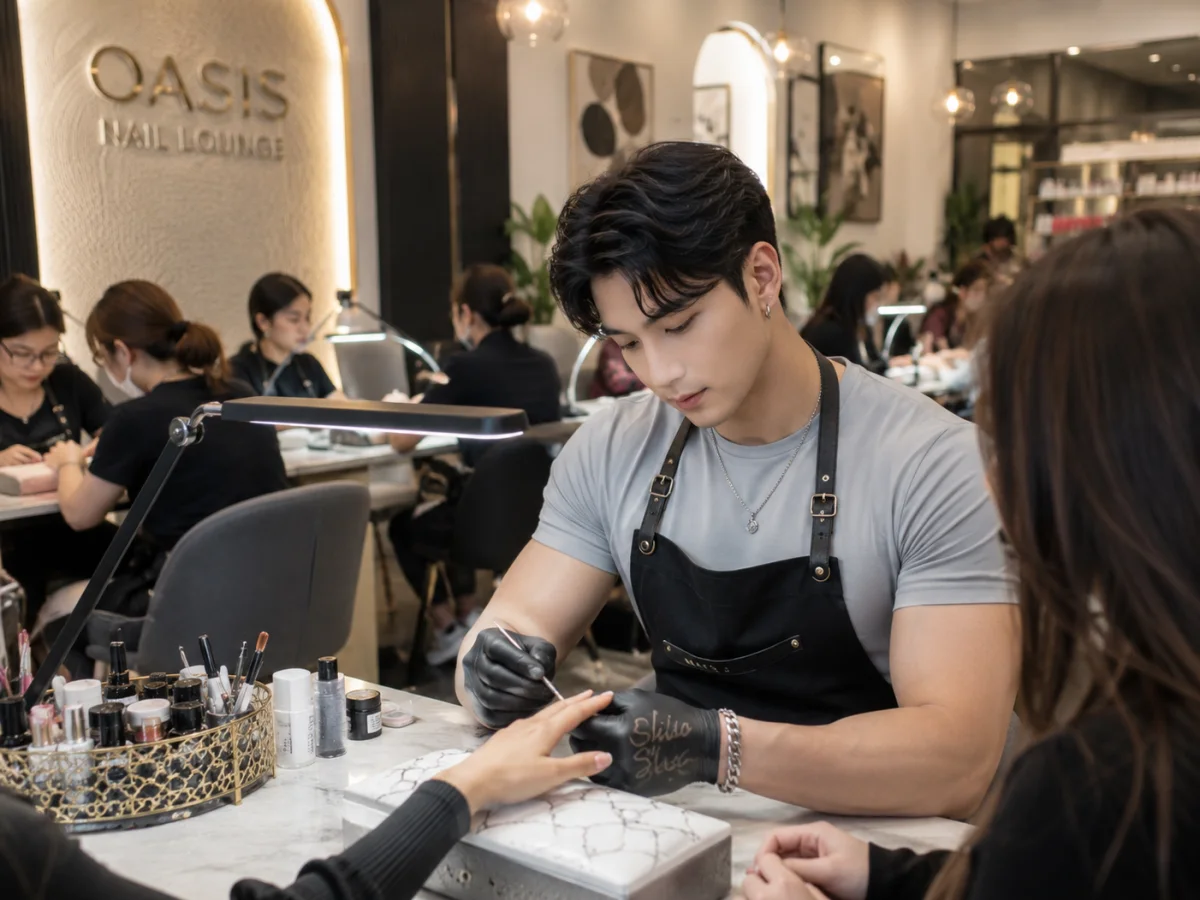
Twelve years ago, when I had just become a nail tech, I thought doing good nails would be enough.
I was wrong.
At my first salon, the hardest part was not the customers or the long hours. It was trying to protect one small appointment from coworkers who treated every customer like money waiting to be taken.
My name is Jack, and I started working in a nail salon in Aurora, Colorado, when I was new to the business.
I had just finished learning nails and did not have many regular customers yet.
I was slow.
A basic manicure took me longer than everyone else. Acrylic sets made me nervous. If a customer asked for a difficult shape, my hands would start sweating before I even picked up the file.
The salon owner told me not to worry.
He said every nail tech started that way and I would improve with time.
What he did not tell me was that the other workers had no patience for somebody new.
Most of them had worked there for years.
They had regular customers, fast hands, and strong personalities.
I was the youngest male nail tech in the salon, and I tried to stay quiet.
Every morning, we wrote our names on a list.
Walk-in customers were supposed to be divided fairly.
The next available nail tech took the next customer.
That was the rule.
But the rule only worked when the customer wanted something cheap.
If a walk-in asked for a full set, pedicure, design, or anything that might bring a good tip, suddenly everyone forgot whose turn it was.
One worker named Tammy was especially good at taking customers.
She sat near the front, so she heard everything before the rest of us.
If the receptionist asked what service a customer wanted, Tammy listened carefully.
When the service sounded expensive, she stood up and said the customer had requested her before.
Sometimes that was true.
Most of the time, it was not.
Another worker named Peter had a different method.
He walked toward new customers before the receptionist even finished checking them in.
He greeted them like old friends and carried their purse to his station.
Once the customer sat down, nobody wanted to create a scene by asking them to move.
Because I was new, I usually stayed quiet.
I thought arguing over customers would make me look greedy.
That meant I received simple polish changes, children’s manicures, and customers everyone else had already refused.
Some days, I sat for hours without doing anything.
Then the owner complained that I was not making enough money.
I wanted to tell him why, but he could see what was happening.
He just did not want to fight with his experienced workers.
One Saturday, a woman walked in and asked for a full set with a pedicure.
It was my turn.
The receptionist looked at the list and called my name.
Before I could stand up, Tammy told the customer that I was new.
She said the woman might have to wait longer if she went with me.
Then she smiled and offered to do the service herself.
The customer looked at me.
I could see the doubt on her face.
I told her I could do it.
Tammy laughed and said she was only trying to help because Saturdays were busy.
The customer finally chose Tammy.
That service took almost two hours and cost more than anything I did that whole day.
When the woman left, she gave Tammy a large tip.
Tammy waved the money near me and said I needed to become faster if I wanted customers like that.
I went into the supply room because I did not want anyone to see how angry I was.
I considered quitting that day.
But I needed experience, and no other salon wanted to hire someone who had just started.
So I stayed.
Over the next few months, I slowly improved.
A few customers started asking for me.
One of them was an older woman named Carol.
The first time I did her nails, she told me she did not care how long I took as long as I was careful.
She liked simple pink-and-white nails and always came on Wednesday afternoons.
She became my first real regular customer.
Carol knew I was new.
She encouraged me.
Whenever I apologized for being slow, she said she came to relax and was not going anywhere.
She also tipped well.
The other workers noticed.
One Wednesday, Carol arrived while I was finishing another customer.
I only needed about ten more minutes.
Tammy told Carol that I was running very late.
Then she said I had called out sick.
Carol looked confused because she could see me sitting ten feet away.
Tammy had not realized Carol already knew my face.
Carol walked directly to my station and asked whether I was sick.
I told her no.
The salon became quiet.
Tammy quickly said she had confused me with another worker.
There was no other worker named Jack.
Carol sat in the waiting area and waited for me.
While I did her nails, she asked whether people often tried to take my customers.
I felt embarrassed and said it was only a misunderstanding.
She looked toward Tammy and said it did not look like a misunderstanding.
After that day, Carol always told the receptionist clearly that she would wait for Jack.
She also started sending friends to me.
That changed everything.
Within a few months, I had several regular customers.
I was still not the fastest nail tech, but people liked that I listened and did not rush.
The more customers I gained, the worse the competition became.
Peter started telling my customers I was off when I was sitting in the back.
Tammy told one woman that I planned to leave the salon soon.
Another worker tried to convince my regular pedicure customer that men were not as gentle as women.
I finally complained to the owner.
He said salon competition was normal.
He told me to learn how to protect my customers.
I asked how I was supposed to do that without fighting coworkers in front of everyone.
He had no answer.
The biggest problem happened on a Friday afternoon.
Carol had brought her daughter, Megan, for a full set.
Megan had never been to our salon before, but Carol had told her to ask for me.
I was doing a pedicure when they arrived.
The receptionist told them I would be ready in fifteen minutes.
Tammy walked over and said she could take Megan immediately.
Carol said they would wait for me.
Tammy kept pushing.
She said I was still learning designs and might not be able to do what Megan wanted.
I heard everything from the pedicure area.
Before I could say anything, Carol stood up.
She asked the owner to come to the front.
Then she told him exactly what had been happening.
She described the time Tammy lied about me being sick.
She explained how workers tried to move customers away from me.
She said she had watched it happen for months.
The owner tried to calm her down.
He said the salon was busy and misunderstandings happened.
Carol asked why every misunderstanding seemed to benefit the same people.
Nobody had an answer.
Several customers were listening.
Then another regular customer spoke up.
She said Peter had once told her that her usual nail tech was unavailable, but later she discovered the worker had been sitting in the break room.
A third customer said she had been pressured to switch technicians because someone wanted to take a larger service.
Suddenly, people started sharing their own experiences.
What had always been quiet salon drama became a public discussion in front of everyone.
Tammy became angry.
She accused me of turning customers against her.
I had barely said anything.
She told the owner that if he believed Carol, she would quit.
The owner asked everyone to calm down.
Tammy started packing her tools.
I thought she was only trying to scare him.
Then Peter joined her.
He said he would leave too if the owner changed the way customers were assigned.
Both of them expected the owner to beg them to stay.
For years, he had allowed them to do whatever they wanted because they had many regular customers.
This time, he surprised all of us.
He told them that anyone who wanted to leave could leave.
Tammy stopped packing.
Peter looked at her.
Neither one expected that answer.
The owner said customers could request any technician they wanted, but nobody was allowed to lie, pressure them, or steal appointments from another worker.
He also moved the appointment book behind the front desk so workers could no longer change names themselves.
Tammy stayed, but she barely spoke to me for weeks.
Peter stayed too.
The salon did not suddenly become peaceful.
There were still arguments over walk-ins, tips, and large services.
But after that day, people became more careful.
Customers were no longer treated like they would never notice what was happening.
Carol continued coming to me for years.
She always laughed about the afternoon she almost caused half the salon to quit.
I told her she had done what I was too scared to do.
She had simply said the truth out loud.
I eventually became faster, built a full schedule, and moved to another salon.
Years later, I heard Tammy was telling new workers that customers had to be earned and nobody should take another person’s regulars.
I could not believe it.
The same woman who tried to steal my first good customer was now teaching others about fairness.
That is the nail business sometimes.
People forget what they did when they were the ones with power.
But I never forgot what it felt like to sit in an empty chair while coworkers fought over every good customer.
Even now, when I see a new nail tech sitting quietly in a salon, I remember myself twelve years ago.
I always wonder whether they are waiting for customers or waiting for someone to finally give them a fair chance.
I was wrong.
At my first salon, the hardest part was not the customers or the long hours. It was trying to protect one small appointment from coworkers who treated every customer like money waiting to be taken.
My name is Jack, and I started working in a nail salon in Aurora, Colorado, when I was new to the business.
I had just finished learning nails and did not have many regular customers yet.
I was slow.
A basic manicure took me longer than everyone else. Acrylic sets made me nervous. If a customer asked for a difficult shape, my hands would start sweating before I even picked up the file.
The salon owner told me not to worry.
He said every nail tech started that way and I would improve with time.
What he did not tell me was that the other workers had no patience for somebody new.
Most of them had worked there for years.
They had regular customers, fast hands, and strong personalities.
I was the youngest male nail tech in the salon, and I tried to stay quiet.
Every morning, we wrote our names on a list.
Walk-in customers were supposed to be divided fairly.
The next available nail tech took the next customer.
That was the rule.
But the rule only worked when the customer wanted something cheap.
If a walk-in asked for a full set, pedicure, design, or anything that might bring a good tip, suddenly everyone forgot whose turn it was.
One worker named Tammy was especially good at taking customers.
She sat near the front, so she heard everything before the rest of us.
If the receptionist asked what service a customer wanted, Tammy listened carefully.
When the service sounded expensive, she stood up and said the customer had requested her before.
Sometimes that was true.
Most of the time, it was not.
Another worker named Peter had a different method.
He walked toward new customers before the receptionist even finished checking them in.
He greeted them like old friends and carried their purse to his station.
Once the customer sat down, nobody wanted to create a scene by asking them to move.
Because I was new, I usually stayed quiet.
I thought arguing over customers would make me look greedy.
That meant I received simple polish changes, children’s manicures, and customers everyone else had already refused.
Some days, I sat for hours without doing anything.
Then the owner complained that I was not making enough money.
I wanted to tell him why, but he could see what was happening.
He just did not want to fight with his experienced workers.
One Saturday, a woman walked in and asked for a full set with a pedicure.
It was my turn.
The receptionist looked at the list and called my name.
Before I could stand up, Tammy told the customer that I was new.
She said the woman might have to wait longer if she went with me.
Then she smiled and offered to do the service herself.
The customer looked at me.
I could see the doubt on her face.
I told her I could do it.
Tammy laughed and said she was only trying to help because Saturdays were busy.
The customer finally chose Tammy.
That service took almost two hours and cost more than anything I did that whole day.
When the woman left, she gave Tammy a large tip.
Tammy waved the money near me and said I needed to become faster if I wanted customers like that.
I went into the supply room because I did not want anyone to see how angry I was.
I considered quitting that day.
But I needed experience, and no other salon wanted to hire someone who had just started.
So I stayed.
Over the next few months, I slowly improved.
A few customers started asking for me.
One of them was an older woman named Carol.
The first time I did her nails, she told me she did not care how long I took as long as I was careful.
She liked simple pink-and-white nails and always came on Wednesday afternoons.
She became my first real regular customer.
Carol knew I was new.
She encouraged me.
Whenever I apologized for being slow, she said she came to relax and was not going anywhere.
She also tipped well.
The other workers noticed.
One Wednesday, Carol arrived while I was finishing another customer.
I only needed about ten more minutes.
Tammy told Carol that I was running very late.
Then she said I had called out sick.
Carol looked confused because she could see me sitting ten feet away.
Tammy had not realized Carol already knew my face.
Carol walked directly to my station and asked whether I was sick.
I told her no.
The salon became quiet.
Tammy quickly said she had confused me with another worker.
There was no other worker named Jack.
Carol sat in the waiting area and waited for me.
While I did her nails, she asked whether people often tried to take my customers.
I felt embarrassed and said it was only a misunderstanding.
She looked toward Tammy and said it did not look like a misunderstanding.
After that day, Carol always told the receptionist clearly that she would wait for Jack.
She also started sending friends to me.
That changed everything.
Within a few months, I had several regular customers.
I was still not the fastest nail tech, but people liked that I listened and did not rush.
The more customers I gained, the worse the competition became.
Peter started telling my customers I was off when I was sitting in the back.
Tammy told one woman that I planned to leave the salon soon.
Another worker tried to convince my regular pedicure customer that men were not as gentle as women.
I finally complained to the owner.
He said salon competition was normal.
He told me to learn how to protect my customers.
I asked how I was supposed to do that without fighting coworkers in front of everyone.
He had no answer.
The biggest problem happened on a Friday afternoon.
Carol had brought her daughter, Megan, for a full set.
Megan had never been to our salon before, but Carol had told her to ask for me.
I was doing a pedicure when they arrived.
The receptionist told them I would be ready in fifteen minutes.
Tammy walked over and said she could take Megan immediately.
Carol said they would wait for me.
Tammy kept pushing.
She said I was still learning designs and might not be able to do what Megan wanted.
I heard everything from the pedicure area.
Before I could say anything, Carol stood up.
She asked the owner to come to the front.
Then she told him exactly what had been happening.
She described the time Tammy lied about me being sick.
She explained how workers tried to move customers away from me.
She said she had watched it happen for months.
The owner tried to calm her down.
He said the salon was busy and misunderstandings happened.
Carol asked why every misunderstanding seemed to benefit the same people.
Nobody had an answer.
Several customers were listening.
Then another regular customer spoke up.
She said Peter had once told her that her usual nail tech was unavailable, but later she discovered the worker had been sitting in the break room.
A third customer said she had been pressured to switch technicians because someone wanted to take a larger service.
Suddenly, people started sharing their own experiences.
What had always been quiet salon drama became a public discussion in front of everyone.
Tammy became angry.
She accused me of turning customers against her.
I had barely said anything.
She told the owner that if he believed Carol, she would quit.
The owner asked everyone to calm down.
Tammy started packing her tools.
I thought she was only trying to scare him.
Then Peter joined her.
He said he would leave too if the owner changed the way customers were assigned.
Both of them expected the owner to beg them to stay.
For years, he had allowed them to do whatever they wanted because they had many regular customers.
This time, he surprised all of us.
He told them that anyone who wanted to leave could leave.
Tammy stopped packing.
Peter looked at her.
Neither one expected that answer.
The owner said customers could request any technician they wanted, but nobody was allowed to lie, pressure them, or steal appointments from another worker.
He also moved the appointment book behind the front desk so workers could no longer change names themselves.
Tammy stayed, but she barely spoke to me for weeks.
Peter stayed too.
The salon did not suddenly become peaceful.
There were still arguments over walk-ins, tips, and large services.
But after that day, people became more careful.
Customers were no longer treated like they would never notice what was happening.
Carol continued coming to me for years.
She always laughed about the afternoon she almost caused half the salon to quit.
I told her she had done what I was too scared to do.
She had simply said the truth out loud.
I eventually became faster, built a full schedule, and moved to another salon.
Years later, I heard Tammy was telling new workers that customers had to be earned and nobody should take another person’s regulars.
I could not believe it.
The same woman who tried to steal my first good customer was now teaching others about fairness.
That is the nail business sometimes.
People forget what they did when they were the ones with power.
But I never forgot what it felt like to sit in an empty chair while coworkers fought over every good customer.
Even now, when I see a new nail tech sitting quietly in a salon, I remember myself twelve years ago.
I always wonder whether they are waiting for customers or waiting for someone to finally give them a fair chance.
That’s Insane!
1
75 reads ·
3 shares ·
0 comments




Comments