
Salon Drama · Plano, TX
The customer in chair six understood everything
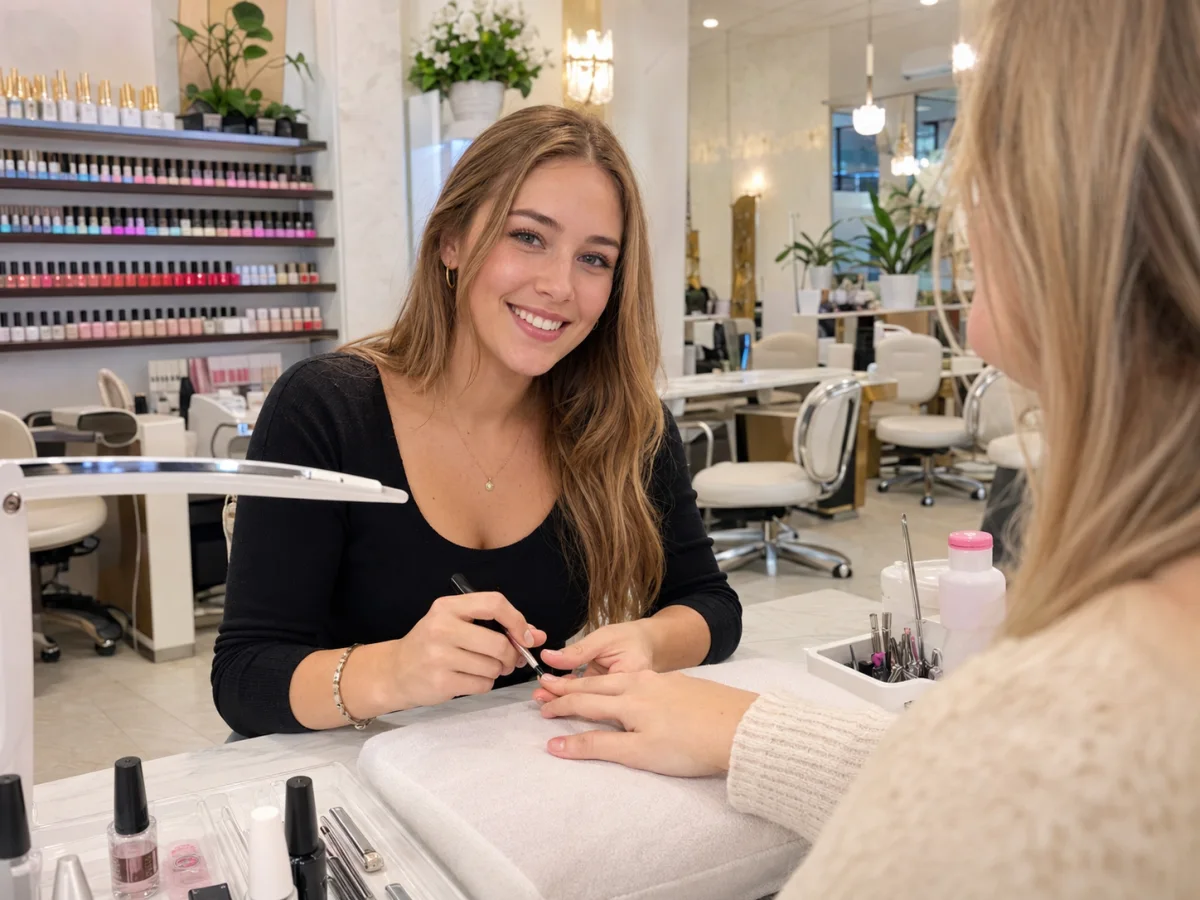
I had just finished insulting a difficult customer in Vietnamese when the white woman soaking her feet behind me asked why I had called that customer cheap and crazy.
She asked in Vietnamese.
Not broken Vietnamese either.
She repeated nearly every word I had said, slowly and clearly, while the entire pedicure area went silent.
My name is Monica, and I am a nail tech in Plano, Texas.
I had already been working in the nail business for many years when this happened.
I was not new, nervous, or confused about salon etiquette.
I knew better.
That is probably the hardest part for me to admit.
The salon was extremely busy that Saturday.
We had people waiting near the front desk, every pedicure chair was occupied, and the phone kept ringing while the receptionist tried to check customers in.
My first customer of the afternoon was a woman named Karen.
She came in for a manicure and gel polish removal.
From the moment she sat down, she seemed unhappy.
She complained that the table was dusty even though I had cleaned it right before she arrived.
She said the water I brought her was not cold enough.
Then she changed her color three times after I had already opened the bottles.
I tried to stay polite.
Busy Saturdays can make everybody tense, and I have handled much worse customers.
The real problem started when Karen accused me of hurting her.
I was gently pushing back one cuticle when she pulled her hand away and said I was being too rough.
I apologized and adjusted my pressure.
A few minutes later, she said I was filing crooked.
Then she said the nail shape looked uneven.
I showed her both hands and asked which nail she wanted changed.
She pointed at almost every finger.
I reshaped them.
She still was not satisfied.
By then, I was already running behind.
My next customer had arrived, and the receptionist kept looking toward my station.
Karen noticed and told me not to rush her just because the salon had overbooked.
I told her I would finish the service properly.
She said she hoped so because she was paying good money.
The manicure took almost twice as long as scheduled.
When I applied the first coat of polish, Karen said the color looked different from the sample.
I explained that it would appear deeper after the second coat.
She demanded that I remove it anyway.
I removed everything and started again with another color.
While I worked, she watched every movement of my hands.
She asked whether I had a license.
She asked how long I had been doing nails.
She even asked another nail tech whether I was usually this slow.
That embarrassed me.
I had been doing nails for more than ten years.
I wanted to tell her that the service was taking so long because she had changed her mind repeatedly, but I stayed quiet.
When I finally finished, Karen inspected her nails under the light.
She said one side of her thumbnail looked thicker.
I fixed it.
Then she said another nail looked shorter.
I fixed that too.
The owner came over and asked whether everything was okay.
Karen told her the service had been stressful and she did not think she should pay the full price.
The owner offered her a small discount because other customers were watching.
Karen accepted it.
Then she left without tipping me.
As soon as the door closed behind her, I lost control.
I walked into the pedicure area where several coworkers were working and started complaining in Vietnamese.
I called Karen difficult, cheap, rude, and crazy.
I said she had wasted almost two hours of my life and acted like she was paying for a luxury vacation instead of a manicure.
Then I used several much uglier words.
The kind of words I would never say in English in front of customers.
My coworkers looked uncomfortable.
One of them quietly told me to lower my voice.
I said the customers could not understand us.
That was when the woman in chair six lifted her head.
She was a white American woman in her late forties.
Her name was Rebecca, and another nail tech was doing her pedicure.
Rebecca had been sitting quietly with a magazine while I complained.
I barely noticed her.
She looked directly at me and asked in Vietnamese why I thought it was acceptable to insult a customer after taking her money.
At first, I thought I had imagined it.
Then she repeated one of the worst words I had used.
She asked whether I would say the same thing if Karen were still standing there.
Every worker stopped moving.
Even the receptionist at the front turned around.
My face became hot.
I asked Rebecca how she knew Vietnamese.
She answered in English this time.
She said she had lived in Vietnam for several years when she was younger because her parents worked there.
Her husband was also Vietnamese.
She understood far more than people usually expected.
I immediately apologized.
I told her I had been frustrated because Karen treated me badly.
Rebecca said she had heard the entire service.
She agreed that Karen had been demanding.
But she said that did not give me permission to insult her after she left.
Then she asked how many other customers we had talked about in Vietnamese while assuming they understood nothing.
Nobody answered.
The nail tech doing Rebecca’s pedicure tried to calm her.
She explained that salon workers sometimes became stressed and complained to one another.
Rebecca said she understood stress.
What she did not understand was why we believed another language made cruelty acceptable.
That sentence hurt because she was right.
I became defensive anyway.
I said customers often spoke badly to us and expected us to smile through everything.
I said nail techs were human and needed somewhere to release our frustration.
Rebecca told me releasing frustration was not the same as humiliating people behind their backs.
Then she removed her feet from the water.
Her pedicure was not finished.
She had only received the soaking and basic nail trimming.
The other nail tech asked her to stay and said she could finish quickly.
Rebecca refused.
She said she no longer felt comfortable sitting there while everyone wondered what might be said about her after she left.
She offered to pay for the part of the service already completed.
The owner told her she did not need to pay.
Rebecca put cash on the table anyway.
Before leaving, she looked at me and said she hoped I would remember that understanding a language did not always show on someone’s face.
After she walked out, nobody spoke for several seconds.
Then the owner called me into the office.
I expected her to send me home.
Instead, she asked what exactly I had said.
I did not want to repeat it.
She told me Rebecca had been a regular customer for almost three years and often brought friends to the salon.
The owner was worried she would leave a bad review.
I told her I was sorry.
She said being sorry because a customer understood was different from being sorry for saying it.
That made me angry.
I reminded her that she had watched Karen mistreat me and rewarded her with a discount.
I asked why customers were allowed to disrespect workers but workers had to accept everything quietly.
The owner said Karen’s behavior was a separate issue.
She admitted she should have stepped in sooner.
But she also said I had complained loudly in front of a room full of customers and assumed none of them mattered because they did not look Vietnamese.
I had no answer.
The following Monday, Rebecca posted a review.
She did not name me.
She did not repeat the curse words.
She only described hearing a worker insult another customer in Vietnamese and explained why she had left before finishing her pedicure.
The review was calm.
That somehow made it worse.
People believed her.
Several customers commented that they had always wondered whether salon workers talked about them.
For the next few weeks, the salon felt different.
Customers became quieter whenever workers spoke Vietnamese.
Some watched our faces.
Others jokingly asked whether we were discussing them.
The owner created a new rule that personal complaints had to stay in the break room and never happen around customers in any language.
A few coworkers blamed me.
They said I had made everyone look bad because I could not control my temper.
At first, I thought they were being unfair.
I was not the only person who complained about customers.
Everyone did it.
But I was the one who said it loudly enough for a customer to hear.
And I was the one who assumed a white woman could not understand Vietnamese.
About two months later, Karen returned.
She requested a different nail tech.
When I saw her name on the appointment book, I felt angry all over again.
Then the owner did something she should have done the first time.
She spoke to Karen before the service and explained that changing colors repeatedly or requesting major corrections could require additional time and cost.
Karen agreed.
She completed the appointment without creating a scene.
That made me realize something uncomfortable.
Part of my anger had come from feeling completely unprotected.
But instead of addressing that problem with the owner, I had waited until Karen left and attacked her in a language I thought was private.
Rebecca never returned.
Her friends slowly stopped coming too.
I sometimes wonder whether she knows how much that afternoon changed the salon.
We still speak Vietnamese with each other.
We still complain sometimes because salon work can be exhausting.
But now, when I feel myself losing control, I go into the back, drink some water, and calm down before saying something I cannot take back.
Was Rebecca too sensitive for canceling the rest of her service?
At the time, I thought so.
Now I do not.
She was sitting in a chair trusting us to take care of her while listening to me tear apart another customer the second that woman walked out.
She had no reason to believe she would be treated differently.
The person who crossed the line was me.
Not because I became angry.
Because I believed speaking Vietnamese made my anger invisible.
She asked in Vietnamese.
Not broken Vietnamese either.
She repeated nearly every word I had said, slowly and clearly, while the entire pedicure area went silent.
My name is Monica, and I am a nail tech in Plano, Texas.
I had already been working in the nail business for many years when this happened.
I was not new, nervous, or confused about salon etiquette.
I knew better.
That is probably the hardest part for me to admit.
The salon was extremely busy that Saturday.
We had people waiting near the front desk, every pedicure chair was occupied, and the phone kept ringing while the receptionist tried to check customers in.
My first customer of the afternoon was a woman named Karen.
She came in for a manicure and gel polish removal.
From the moment she sat down, she seemed unhappy.
She complained that the table was dusty even though I had cleaned it right before she arrived.
She said the water I brought her was not cold enough.
Then she changed her color three times after I had already opened the bottles.
I tried to stay polite.
Busy Saturdays can make everybody tense, and I have handled much worse customers.
The real problem started when Karen accused me of hurting her.
I was gently pushing back one cuticle when she pulled her hand away and said I was being too rough.
I apologized and adjusted my pressure.
A few minutes later, she said I was filing crooked.
Then she said the nail shape looked uneven.
I showed her both hands and asked which nail she wanted changed.
She pointed at almost every finger.
I reshaped them.
She still was not satisfied.
By then, I was already running behind.
My next customer had arrived, and the receptionist kept looking toward my station.
Karen noticed and told me not to rush her just because the salon had overbooked.
I told her I would finish the service properly.
She said she hoped so because she was paying good money.
The manicure took almost twice as long as scheduled.
When I applied the first coat of polish, Karen said the color looked different from the sample.
I explained that it would appear deeper after the second coat.
She demanded that I remove it anyway.
I removed everything and started again with another color.
While I worked, she watched every movement of my hands.
She asked whether I had a license.
She asked how long I had been doing nails.
She even asked another nail tech whether I was usually this slow.
That embarrassed me.
I had been doing nails for more than ten years.
I wanted to tell her that the service was taking so long because she had changed her mind repeatedly, but I stayed quiet.
When I finally finished, Karen inspected her nails under the light.
She said one side of her thumbnail looked thicker.
I fixed it.
Then she said another nail looked shorter.
I fixed that too.
The owner came over and asked whether everything was okay.
Karen told her the service had been stressful and she did not think she should pay the full price.
The owner offered her a small discount because other customers were watching.
Karen accepted it.
Then she left without tipping me.
As soon as the door closed behind her, I lost control.
I walked into the pedicure area where several coworkers were working and started complaining in Vietnamese.
I called Karen difficult, cheap, rude, and crazy.
I said she had wasted almost two hours of my life and acted like she was paying for a luxury vacation instead of a manicure.
Then I used several much uglier words.
The kind of words I would never say in English in front of customers.
My coworkers looked uncomfortable.
One of them quietly told me to lower my voice.
I said the customers could not understand us.
That was when the woman in chair six lifted her head.
She was a white American woman in her late forties.
Her name was Rebecca, and another nail tech was doing her pedicure.
Rebecca had been sitting quietly with a magazine while I complained.
I barely noticed her.
She looked directly at me and asked in Vietnamese why I thought it was acceptable to insult a customer after taking her money.
At first, I thought I had imagined it.
Then she repeated one of the worst words I had used.
She asked whether I would say the same thing if Karen were still standing there.
Every worker stopped moving.
Even the receptionist at the front turned around.
My face became hot.
I asked Rebecca how she knew Vietnamese.
She answered in English this time.
She said she had lived in Vietnam for several years when she was younger because her parents worked there.
Her husband was also Vietnamese.
She understood far more than people usually expected.
I immediately apologized.
I told her I had been frustrated because Karen treated me badly.
Rebecca said she had heard the entire service.
She agreed that Karen had been demanding.
But she said that did not give me permission to insult her after she left.
Then she asked how many other customers we had talked about in Vietnamese while assuming they understood nothing.
Nobody answered.
The nail tech doing Rebecca’s pedicure tried to calm her.
She explained that salon workers sometimes became stressed and complained to one another.
Rebecca said she understood stress.
What she did not understand was why we believed another language made cruelty acceptable.
That sentence hurt because she was right.
I became defensive anyway.
I said customers often spoke badly to us and expected us to smile through everything.
I said nail techs were human and needed somewhere to release our frustration.
Rebecca told me releasing frustration was not the same as humiliating people behind their backs.
Then she removed her feet from the water.
Her pedicure was not finished.
She had only received the soaking and basic nail trimming.
The other nail tech asked her to stay and said she could finish quickly.
Rebecca refused.
She said she no longer felt comfortable sitting there while everyone wondered what might be said about her after she left.
She offered to pay for the part of the service already completed.
The owner told her she did not need to pay.
Rebecca put cash on the table anyway.
Before leaving, she looked at me and said she hoped I would remember that understanding a language did not always show on someone’s face.
After she walked out, nobody spoke for several seconds.
Then the owner called me into the office.
I expected her to send me home.
Instead, she asked what exactly I had said.
I did not want to repeat it.
She told me Rebecca had been a regular customer for almost three years and often brought friends to the salon.
The owner was worried she would leave a bad review.
I told her I was sorry.
She said being sorry because a customer understood was different from being sorry for saying it.
That made me angry.
I reminded her that she had watched Karen mistreat me and rewarded her with a discount.
I asked why customers were allowed to disrespect workers but workers had to accept everything quietly.
The owner said Karen’s behavior was a separate issue.
She admitted she should have stepped in sooner.
But she also said I had complained loudly in front of a room full of customers and assumed none of them mattered because they did not look Vietnamese.
I had no answer.
The following Monday, Rebecca posted a review.
She did not name me.
She did not repeat the curse words.
She only described hearing a worker insult another customer in Vietnamese and explained why she had left before finishing her pedicure.
The review was calm.
That somehow made it worse.
People believed her.
Several customers commented that they had always wondered whether salon workers talked about them.
For the next few weeks, the salon felt different.
Customers became quieter whenever workers spoke Vietnamese.
Some watched our faces.
Others jokingly asked whether we were discussing them.
The owner created a new rule that personal complaints had to stay in the break room and never happen around customers in any language.
A few coworkers blamed me.
They said I had made everyone look bad because I could not control my temper.
At first, I thought they were being unfair.
I was not the only person who complained about customers.
Everyone did it.
But I was the one who said it loudly enough for a customer to hear.
And I was the one who assumed a white woman could not understand Vietnamese.
About two months later, Karen returned.
She requested a different nail tech.
When I saw her name on the appointment book, I felt angry all over again.
Then the owner did something she should have done the first time.
She spoke to Karen before the service and explained that changing colors repeatedly or requesting major corrections could require additional time and cost.
Karen agreed.
She completed the appointment without creating a scene.
That made me realize something uncomfortable.
Part of my anger had come from feeling completely unprotected.
But instead of addressing that problem with the owner, I had waited until Karen left and attacked her in a language I thought was private.
Rebecca never returned.
Her friends slowly stopped coming too.
I sometimes wonder whether she knows how much that afternoon changed the salon.
We still speak Vietnamese with each other.
We still complain sometimes because salon work can be exhausting.
But now, when I feel myself losing control, I go into the back, drink some water, and calm down before saying something I cannot take back.
Was Rebecca too sensitive for canceling the rest of her service?
At the time, I thought so.
Now I do not.
She was sitting in a chair trusting us to take care of her while listening to me tear apart another customer the second that woman walked out.
She had no reason to believe she would be treated differently.
The person who crossed the line was me.
Not because I became angry.
Because I believed speaking Vietnamese made my anger invisible.
You Got Me!
1
122 reads ·
2 shares ·
0 comments




Comments